Concrete Coloring vs. Concrete Tinting: Understanding the Differences
People seeking concrete coloring or concrete tinting aim to enhance or customize their surfaces' appearance, and local contractors can provide expert services to achieve the desired look.
If you're exploring options to enhance the appearance of concrete surfaces around your property, understanding the differences between concrete coloring and concrete tinting can be a valuable first step. Both techniques offer ways to add color and visual interest, but they serve different purposes and produce distinct results. Property owners in the area often consider these treatments to improve curb appeal, match existing design elements, or simply refresh worn or dull concrete surfaces. By learning more about how each method works, you can better determine which approach aligns with your aesthetic goals and practical needs.
Local contractors who specialize in concrete coloring and tinting are equipped to help guide you through the options, ensuring the chosen method complements your space and meets your expectations. Whether you’re interested in vibrant, long-lasting color or subtle, natural hues, understanding the nuances of these techniques can empower you to make informed decisions. Keep reading to discover the key differences and practical benefits of concrete coloring versus concrete tinting, and how trusted service providers in the area can assist in bringing your vision to life.
- Concrete coloring services are ideal for those seeking to add vibrant, long-lasting hues to existing or new concrete surfaces, with local contractors applying specialized stains or dyes. Concrete tinting services are suitable when a subtle, uniform color change is desired to enhance the overall appearance of concrete features, with local service providers using consistent tinting techniques. When comparing concrete coloring vs. concrete tinting, local pros approach each project by assessing the desired aesthetic and surface condition to recommend the most suitable method. Concrete coloring often involves decorative options like stains or dyes for bold effects, while tinting provides a more subdued, consistent color application, with local contractors skilled in both techniques. Contacting local service providers can help determine the best approach to achieve the desired look for concrete surfaces.
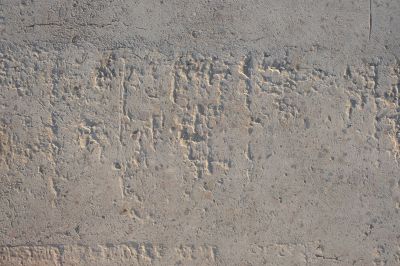
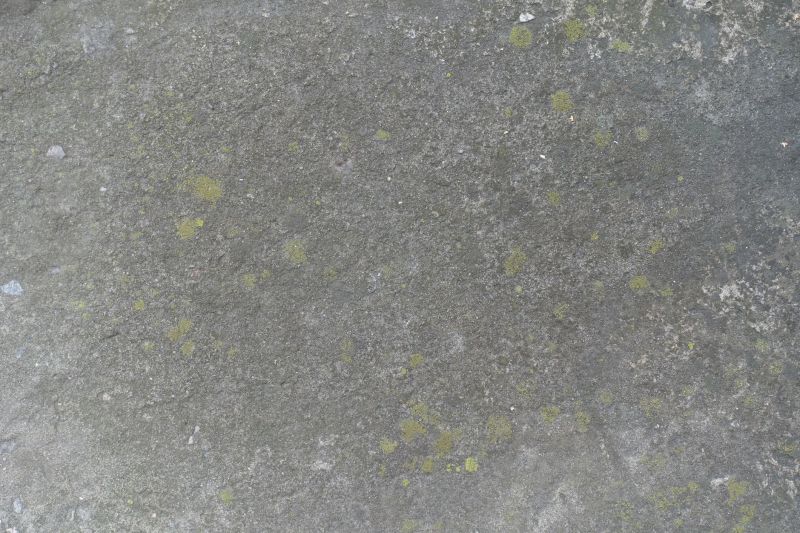
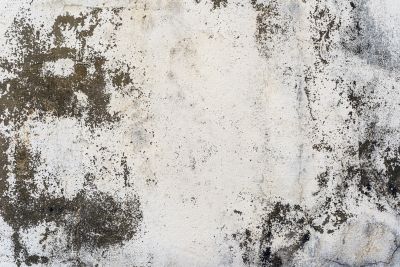
When people search for concrete coloring vs. concrete tinting: understanding the differences, they are often trying to determine the best method to enhance the appearance of their existing or new concrete surfaces. This topic is typically related to projects such as decorative patios, driveways, walkways, or interior floors where aesthetic appeal is a priority. Homeowners may be considering these options to add color, improve curb appeal, or create a specific style for their property. Understanding the distinctions helps in choosing the right approach to achieve the desired look while ensuring the durability and longevity of the concrete surface.
Concrete coloring and concrete tinting are both popular methods for adding color to concrete, but they serve different purposes and involve different application techniques. Concrete coloring generally refers to the use of powders, stains, or dyes that penetrate the surface, creating a more permanent and natural color change. It often provides a more subtle, mottled appearance that can resemble natural stone or earth tones. On the other hand, concrete tinting usually involves liquid dyes or colorants that are applied on the surface, allowing for more vibrant, uniform, or customizable colors. These methods are often chosen based on the specific visual effect a homeowner wants to achieve and the type of concrete surface being treated.
The types of properties where concrete coloring vs. concrete tinting: understanding the differences are commonly applied include residential driveways, patios, pool decks, and interior floors like basements or garages. Commercial properties such as retail spaces, restaurants, or office lobbies also frequently utilize these techniques to create an inviting or distinctive environment. The choice between coloring and tinting depends on factors like the desired color intensity, the existing concrete condition, and whether a more natural or bold appearance is preferred. Local service providers can assess these factors and recommend the most suitable method to match the property's style and functional needs.
For homeowners exploring concrete coloring vs. concrete tinting: understanding the differences, it’s important to recognize how local contractors play a role in the process. These professionals have experience applying both techniques and can help determine which option aligns with the project goals. They can also advise on how each method will interact with the specific type of concrete surface, its location, and its exposure to elements. Whether aiming for a subtle enhancement or a vibrant transformation, connecting with local pros ensures that the chosen coloring or tinting method is applied correctly and achieves the intended visual effect, adding both beauty and value to the property.
Stamped concrete projects - These projects require precise planning and tools similar to concrete coloring and tinting to achieve decorative patterns and color effects.
Concrete sealing and finishing - Applying sealers and finishes involves surface preparation skills comparable to those used in coloring and tinting to enhance appearance and durability.
Interior concrete floor installations - Achieving uniform color and aesthetic appeal in interior floors often involves techniques related to concrete coloring and tinting methods.
Exterior concrete patios and walkways - Enhancing outdoor surfaces with color treatments shares planning and application skills with concrete tinting and coloring projects.
Decorative concrete overlays - These projects involve surface preparation and coloring techniques similar to those used in concrete coloring vs. concrete tinting to create custom designs.
Concrete staining and dyeing - Similar to concrete tinting, staining involves applying color to concrete surfaces to achieve specific visual effects, requiring comparable skills and tools.

When comparing service providers for concrete coloring versus concrete tinting, it’s important to consider their experience with similar projects. Homeowners should inquire about the types of surfaces and finishes the contractors have worked on in the past, ensuring they are familiar with the specific techniques required for each method. A contractor with a proven track record of handling comparable jobs can provide insights into what works best for different types of concrete and desired aesthetic outcomes. This experience can help ensure that the chosen service provider understands the nuances of concrete coloring and tinting, leading to a more successful and satisfying result.
Clear, written expectations are essential when evaluating local contractors for concrete coloring or tinting services. Homeowners should seek detailed proposals that outline the scope of work, materials to be used, and the expected appearance after completion. Having this information in writing helps prevent misunderstandings and provides a basis for comparing different service providers. It also allows homeowners to gauge the professionalism and thoroughness of each contractor, making it easier to select a provider who communicates clearly and provides transparent information about their process.
Reputable references and good communication are key factors in choosing a reliable service provider for concrete coloring and tinting. Homeowners should ask for references from previous clients who had similar work done and follow up to learn about their experiences. Additionally, effective communication throughout the process-such as responsiveness to questions and clarity about procedures-can significantly impact satisfaction with the project. Contractors who are open and transparent about their methods and who prioritize clear communication are more likely to deliver results that meet expectations and ensure a smooth, hassle-free experience.
Property owners often search for concrete coloring vs. concrete tinting: understanding the differences when they are planning practical projects around their homes and businesses. Local pros provide Concrete Coloring or Concrete Tinting services for everyday jobs and straightforward project options.
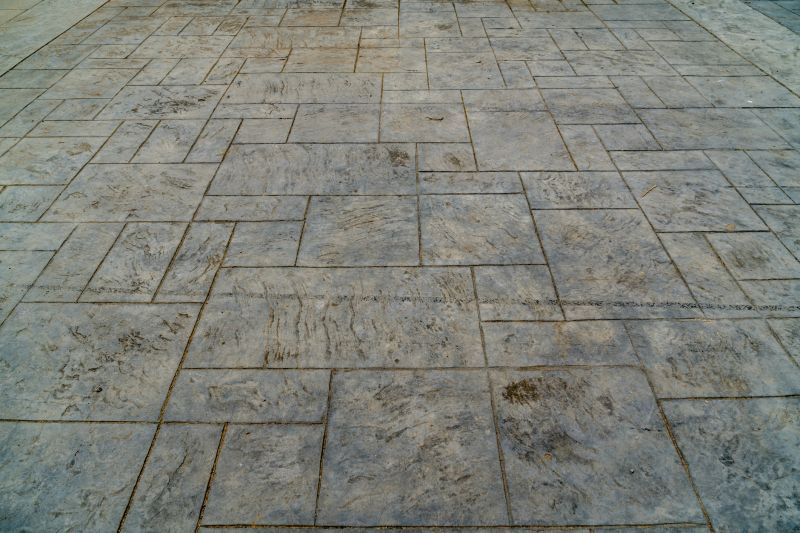
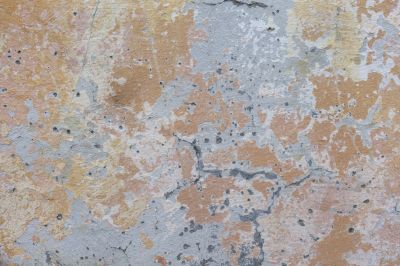
When property owners in the area consider updating their concrete surfaces, understanding the differences between concrete coloring and concrete tinting can help them choose the right approach for their project. Many people look into these options when they want to enhance the appearance of driveways, patios, or walkways without replacing the existing concrete. Local contractors who specialize in decorative concrete often offer both services, allowing property owners to select a solution that matches their style preferences and durability needs. Whether aiming for a bold, vibrant look or a subtle, natural hue, knowing how each method works can make the decision easier.
Property owners frequently search for information on concrete coloring vs. concrete tinting to achieve specific aesthetic goals or to better understand the options available. They might want to add a splash of color to a dull surface or create a more uniform appearance across multiple areas. Local service providers can guide them through the differences, explaining that coloring typically involves adding pigments during or after the concrete is poured, while tinting often refers to applying colorants directly to the surface. Connecting with experienced contractors can help ensure the chosen method aligns with the desired look and long-term performance of the concrete.
What is the main difference between concrete coloring and concrete tinting? Concrete coloring typically involves applying pigmented stains or dyes to achieve vibrant, opaque colors, while concrete tinting uses translucent or semi-transparent stains to add subtle color variations that enhance the natural look of the concrete.
How do the finishes of concrete coloring and tinting compare? Concrete coloring usually results in bold, solid colors with high opacity, whereas concrete tinting provides more subdued, transparent hues that allow the concrete's texture and surface details to show through.
Are concrete coloring and tinting suitable for all types of concrete surfaces? Both services can be applied to a variety of concrete surfaces, but local contractors can assess specific conditions to determine which method will achieve the desired aesthetic effect effectively.
Can concrete coloring or tinting be combined with other decorative treatments? Yes, local service providers often recommend combining these coloring techniques with stamping, sealing, or overlays to create customized decorative concrete designs.
What should be considered when choosing between concrete coloring and tinting? Factors such as desired color intensity, surface appearance, and the existing condition of the concrete can influence the choice; consulting with local pros can help identify the best option for a specific project.
Choosing the right finish - property owners can explore concrete coloring or tinting options to enhance driveways, patios, or walkways with custom hues and effects.
Customizing outdoor spaces - local contractors can help homeowners select between coloring and tinting to match existing landscape or exterior design themes.
Updating existing concrete - property owners looking to refresh worn or faded surfaces can consider tinting or coloring to achieve a new look without full replacement.
Creating decorative accents - professionals can incorporate coloring or tinting techniques to add unique borders, patterns, or focal points to concrete surfaces.
If you are thinking about concrete coloring vs. concrete tinting: understanding the differences for a property, this guide is meant to help you understand this topic, the typical project types, and how different options might fit your plans.
When you are ready, you can use the quote form on this page to share a few details about your project. From there, local pros can review the basics and follow up with options that match what you have in mind.